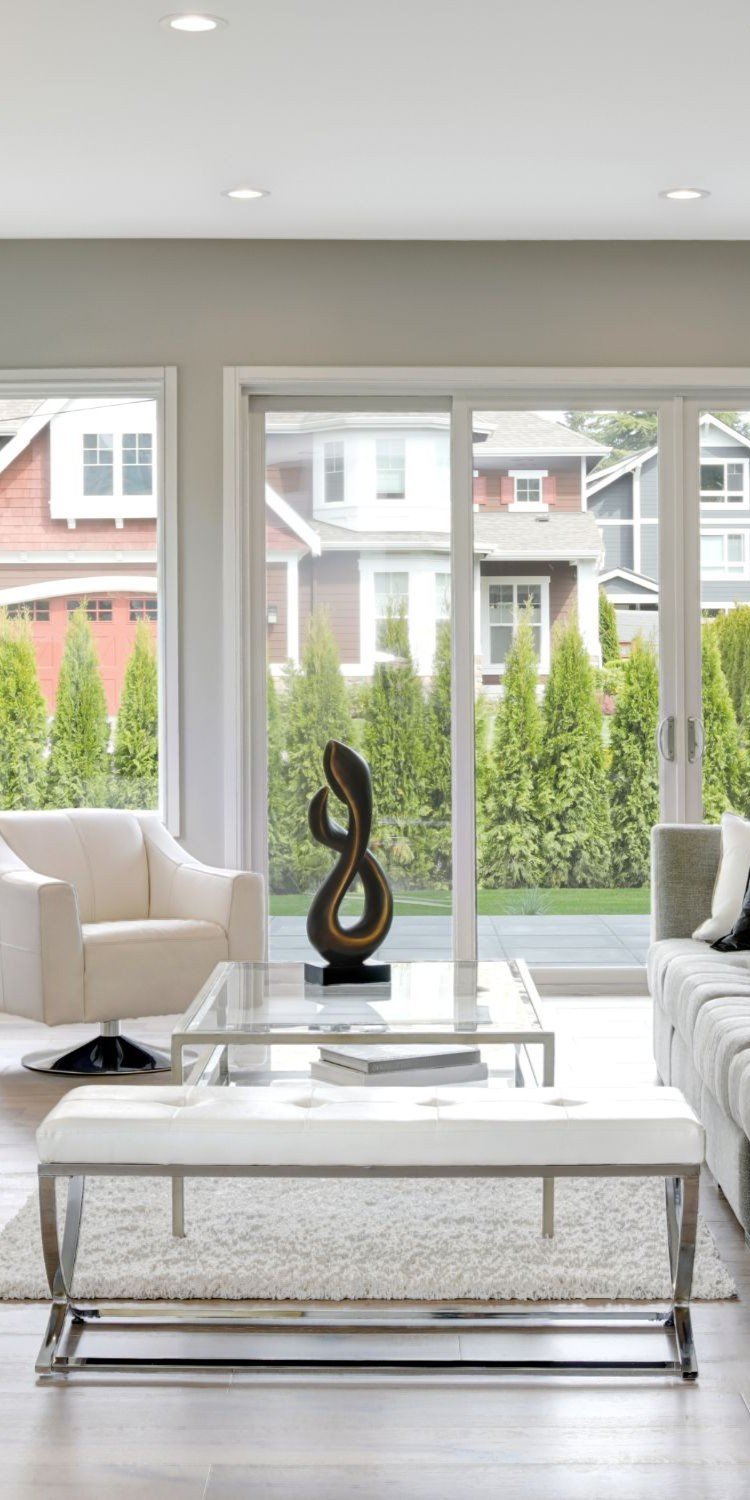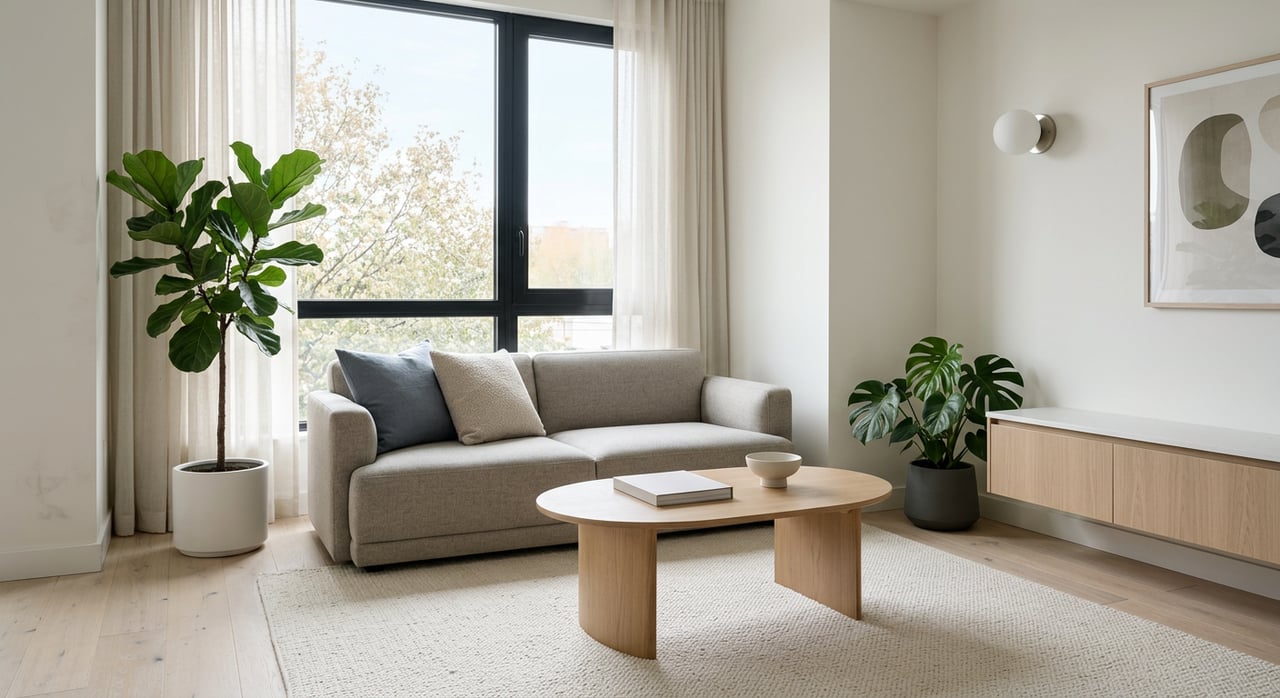
In San Francisco, most buyers meet your condo for the first time on a phone screen. If the photos feel dark, cluttered, or confusing, they scroll. If the space looks bright, simple, and well defined, they book a showing. You want a strong sale without overspending, and you also need to navigate HOA rules, disclosures, and tight timelines. This guide gives you a clear, step-by-step plan to stage, photograph, and market your San Francisco condo with confidence. Let’s dive in.
Know the SF condo market
San Francisco’s condo market showed renewed traction in 2025, with a reported median around $1,150,000 and stronger performance for well maintained, well located buildings. Local reports also note that owner-occupied and well run buildings typically sold faster than properties with weaker management. You can review this context in a recent local market summary that highlights the recovery and normalization trend for condos in 2025. See the local 2025 condo report.
What this means for you: presentation and speed matter. Where inventory is tight, a polished listing can capture early demand. Where inventory is softer, clear staging and visuals help you stand out and avoid preventable price cuts. Before you invest in staging, get a neighborhood-focused comparative market analysis so your budget, timing, and pricing align with building and area trends.
Prep the legal and building details
A smooth launch starts with the right documents and permissions. Handle these items before you stage or schedule photos.
California disclosures you will need
Most sellers of 1–4 unit residential property in California must deliver a completed Transfer Disclosure Statement and provide a Natural Hazard Disclosure report, along with other statutory items where applicable. Certain transactions may be exempt from the TDS, but disclosure duties still apply. Review the relevant California Association of Realtors guidance and consult counsel if anything is unclear. Learn more about required CA disclosures.
If the condo is tenant-occupied
San Francisco has additional tenant protection and relocation rules for no-fault scenarios. These can affect your timeline and costs. Verify current relocation payment schedules and notice requirements with the SF Rent Board and review your lease terms before you plan showings or possession changes. See an overview of SF relocation considerations.
Check your HOA rules early
Condominiums are governed by the Davis–Stirling Act and your building’s CC&Rs, bylaws, and rules. HOAs often restrict on-site signage, open house hours, elevator access for deliveries, and photography in common areas. Some buildings require permission for staging installation or vendor access. Request the resale packet and confirm rules in writing. Read more about HOAs and rules.
Pre-listing coordination checklist
- Order the HOA resale/CC&R packet. Confirm showings, signage, elevator scheduling, and vendor insurance requirements in writing.
- If tenant-occupied, review the lease and confirm notice and relocation requirements with counsel before showings.
- Confirm liability coverage for stager furniture and vendors. Obtain any vendor certificates the building requires.
- If you plan drone imagery, confirm FAA compliance and get building approval. Review FAA guidance for drones.
Staging that works in SF condos
Why staging is worth it
Industry research finds that staging often reduces time on market and can support stronger offers. Consider this directional evidence as you weigh your budget. See national staging findings.
Low-cost updates with high impact
Start with quick wins that make your condo feel brighter and more move-in ready:
- Declutter and depersonalize. Store extra items and keep surfaces clear.
- Deep clean. Windows, grout, vents, and carpets matter in photos.
- Maximize light. Install daylight-balanced bulbs and raise or clean window coverings.
- Neutral paint touch-ups. Soft off-whites and greiges help spaces read larger and newer.
- Update small hardware. Fresh cabinet pulls, faucet refreshes, and clean outlet plates go a long way.
- Refresh caulk and grout. Make baths sparkle and ensure fixtures operate smoothly.
These changes are affordable and quickly elevate perceived condition, which drives buyer confidence.
Space-smart staging for condos
- Scale furniture to the room. Low-profile, right-sized pieces help small living areas breathe.
- Define multipurpose areas. A compact desk in a bedroom can show work-from-home potential.
- Showcase light and views. Open curtains or blinds and orient seating toward windows or balconies.
- Stage balconies. Add a small bistro set and plants if allowed by your HOA.
- Highlight storage. Show tidy closets or shelving when building rules allow, so buyers see usable space.
Physical vs virtual staging
- Physical staging creates a tactile experience for showings and open houses. Costs vary by scope and duration. See national cost ranges.
- Virtual staging costs less per image and turns around quickly. Use it for vacant units or tighter budgets. Disclose virtual staging per MLS rules and include at least one unaltered photo so buyers can compare. Review disclosure best practices for photo edits.
Estimated costs and ROI context
Expect basic occupied staging or a stylist consult to be at the lower end of national ranges, while full vacant staging for a condo can reach several thousand dollars depending on square footage and rental period. Bay Area vendors commonly price at a premium, so request local quotes and ask about bundled photo plus floor plan plus 3D packages. Explore national staging cost benchmarks.
Room-by-room checklist
- Entry: Clean mat, simple console, one small piece of art.
- Living: Remove extras, create a defined conversation area, draw attention to views.
- Kitchen: Clear counters, add a small plant or fruit bowl, polish hardware.
- Bedroom(s): Neutral bedding, two pillows stacks, a side chair or small reading nook.
- Bathroom(s): Fresh towels, minimal counter items, bright lighting, fresh caulk.
- Balcony/outdoor: Bistro set and greenery, if permitted by your HOA.
Timing tip: complete staging before photography. Aim to capture photos and any 3D tour within 24 to 72 hours of staging.
Pro photos, 3D tours, and floor plans
Your buyer likely discovers your condo online. Crisp photos, interactive floor plans, and short videos increase engagement, saves, and shares across major listing portals. Adding a 3D tour or interactive floor plan is relatively inexpensive and helps remote buyers understand layout.
Your recommended media package
- Professional still photography of interiors and exteriors. Consider a twilight exterior if views or evening light add value.
- Interactive floor plan and a 3D tour so buyers can understand circulation.
- Short social-friendly video cuts for Reels or TikTok, plus a longer walkthrough for virtual open houses.
- Drone photos or rooftop clips only when legal and permitted by your building. Check FAA requirements before flying.
Shot list and production tips
- Cover the building entry and lobby if permitted, main living spaces from two angles, kitchen wide and feature shots, primary bedroom, baths, balcony or view, storage, and key amenities like a roof deck or gym. A good shot list helps buyers see the flow. See a pro photographer’s guidance.
- Provide 15 to 30 high quality images for most condos. Quality over quantity is key.
- Avoid misleading edits. Always label virtually staged photos per local MLS rules. Read best practices for image disclosure.
What to budget
Photography packages that include floor plans and a 3D tour often fall in the $300 to $1,500 plus range depending on scope and tech. Ask for bundles to improve value. Review national pricing context.
Marketing and launch plan
A clear, coordinated launch creates early momentum that can set your sale up for success.
Where to promote
- MLS listing with complete fields, accurate unit and HOA details, and links to your 3D tour or interactive floor plan.
- A dedicated property page or microsite with high resolution photos, the 3D tour, floor plan, and a simple inquiry form.
- Broker outreach through a well targeted email blast and a broker open, if permitted by your building.
- Social media: Instagram Reels, TikTok clips, and boosted Facebook or Instagram ads targeting likely local buyers by ZIP and interest.
- Paid search and display via Google Ads to reach buyers searching for San Francisco condos.
- Local community channels like neighborhood Facebook groups or Nextdoor, following group rules.
If your HOA restricts open houses or signage, lean into high quality visuals, 3D tours, private showings, and targeted digital ads to keep exposure strong.
Sample budget ranges
- Photography plus 3D tour plus floor plan: about $300 to $1,500 plus, depending on package and tech level. See national references.
- Staging: partial occupied staging commonly $500 to $5,000 plus depending on scope and rental time. Compare cost ranges.
- Paid digital ads: $300 to $2,000 for an initial two week campaign across Meta and Google can work well. Benchmarks vary by creative and audience. Review industry ad benchmarks.
Launch timeline you can copy
- Day −14 to −7: Order HOA resale packet. Complete repairs, deep clean, declutter, and minor updates.
- Day −7 to −3: Install staging or prep for virtual staging. Book photographer and 3D tour vendor.
- Day −3 to −1: Capture photos, 3D tour, floor plan, and video. Build property page and ad creative.
- Day 0: Go live on the MLS in the morning. Send broker email blast. Post to social and start boosted ads. Schedule broker open or private showings for the first weekend.
- Week 1: Track views, saves, ad leads, and showing feedback. Adjust pricing or creative if early metrics lag comps.
What to measure
- MLS views and saves in the first 72 hours
- 3D tour and floor plan views
- Number of showings and feedback themes
- Ad cost per lead and inquiry rates
- Days on market compared to neighborhood comps
Your next steps
- Confirm HOA rules, tenant status, and required disclosures.
- Knock out low cost updates and schedule a deep clean.
- Stage smart for space and light. Decide on physical or virtual staging and disclose virtual edits.
- Hire a photographer who can deliver photos, floor plans, and a 3D tour in one package.
- Launch with a complete MLS, a strong property page, and a focused two week digital push. Monitor early metrics and adjust quickly.
If you want a hands-on plan tailored to your building and neighborhood, we are here to help. Connect with Mona & Raven Naber to map your staging, pricing, and marketing strategy and to get your Instant Property Valuation.
FAQs
What disclosures do San Francisco condo sellers need to provide?
- In most cases you must deliver a Transfer Disclosure Statement and a Natural Hazard Disclosure report, plus other required items where applicable. Review the California Association of Realtors guidance and consult counsel for complex issues. See CA disclosure details.
How do I handle a tenant-occupied condo when listing in San Francisco?
- Check current SF tenant relocation and notice rules, confirm your lease terms, and coordinate showings carefully. These requirements can affect your costs and timing. Review an overview of SF relocation rules.
Is virtual staging allowed, and how should I disclose it?
- Yes, virtual staging is commonly allowed if you clearly label edited photos per MLS rules and avoid misleading modifications. Include at least one unaltered photo for transparency. Read best practices for photo disclosure.
What if my HOA limits open houses or for-sale signs?
- Follow your CC&Rs and building rules, and shift marketing to private showings, strong online visuals, a 3D tour, and targeted digital ads. Learn about HOA rule frameworks.
Are 3D tours and interactive floor plans worth it for condos?
- Yes. Listing platforms report higher engagement for homes with 3D tours and interactive floor plans, and they help buyers understand layout quickly. They are a recommended add-on for most condos.
How much should I budget for staging and media in San Francisco?
- Expect photography plus floor plans plus a 3D tour to start around a few hundred dollars and rise with scope, while partial staging often ranges from hundreds to several thousand dollars. Bay Area pricing can be higher, so request local quotes. See national cost ranges.
Can I use drone photos for my condo listing?
- You can when flights comply with FAA rules and your building permits it. Many HOAs and local sites restrict drone operations, so confirm permissions in advance. Check FAA drone guidance.