Is Millbrae really the best Peninsula base for an easy commute? If you want fast, flexible rail to downtown San Francisco, SFO, and major job hubs on the Peninsula, it is hard to beat. You also want realistic planning details, not just a map. In this guide, you will learn how Caltrain and BART connect at Millbrae, what door-to-door travel usually looks like, and how parking, biking, and neighborhood choices affect your daily routine. Let’s dive in.
Why Millbrae works for commuters
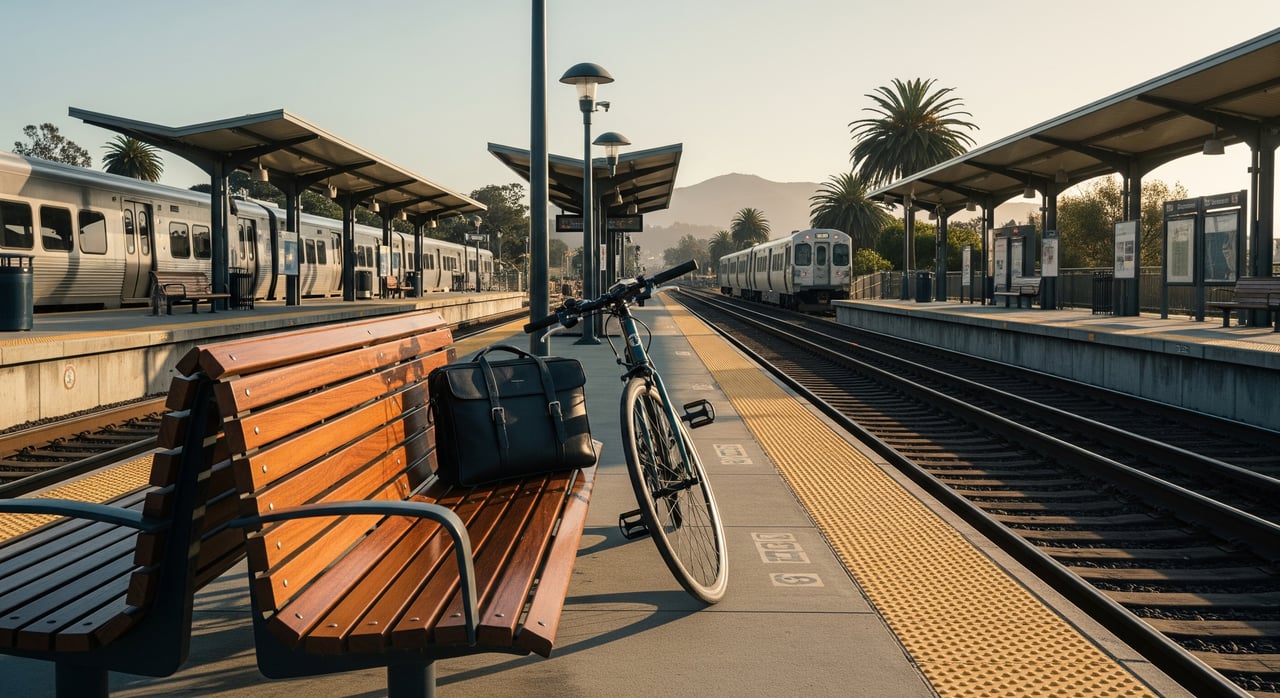
Millbrae is one of the few places where Caltrain and BART meet in one intermodal station. That gives you direct rail options north to San Francisco, south along the Peninsula, and fast connections to SFO.
You can choose Caltrain for express-style runs along the Peninsula or BART for higher-frequency service into San Francisco and the East Bay. Local buses and employer shuttles add last-mile flexibility around San Mateo County.
If you split time between the city, the airport, and Peninsula job centers, Millbrae’s network gives you choices day by day.
Caltrain vs BART: how to choose
Downtown San Francisco
If you are heading to the Civic Center, Powell, Montgomery, or Embarcadero area, plan roughly 25 to 50 minutes door to door from Millbrae. Caltrain times vary with local versus express trains and your final downtown stop. BART can be comparable or slightly longer, depending on transfer points and time of day.
Peninsula job centers
For Redwood City, you often see about 15 to 25 minutes on Caltrain. Menlo Park and Palo Alto tend to run longer, roughly 25 to 35 minutes or more, based on train type. These ranges assume a typical wait and a short transfer or walk at the destination.
South San Francisco and SFO
Trips to South San Francisco or San Bruno are short on either Caltrain or BART, often under 15 to 25 minutes. For airport travel, Millbrae is a practical launch point to reach SFO via rail or shuttle connections.
Peak vs off-peak patterns
Peak-period trains and express options are popular and can be crowded. Bike spaces and seats are in higher demand during the rush. Off-peak service is usually less crowded but comes less often, so build in buffer time if you are not traveling during peak.
Fares and passes
A single Clipper card works across Caltrain, BART, SamTrans, and many nearby systems. Monthly passes and employer programs can lower costs for frequent riders. Fare zones and pass benefits differ by operator, so review current details before you commit.
Transfers and reliability tips
You can transfer between BART and Caltrain within the Millbrae station complex, but schedules are not always timed to match. During off-peak hours, you may wait 10 to 30 minutes for your connection.
Service advisories, planned track work, and maintenance periods can shift typical patterns. Set up mobile alerts from your chosen operators and check updates before you leave.
Getting to the station
Parking
Millbrae offers daily parking, permit options, and drop-off areas near the station. Weekday demand is high and lots can fill early on peak mornings. If you plan to park daily, confirm current permit programs, any waitlists, and enforcement rules with local agencies before you rely on a spot.
Biking and micromobility
The station typically provides bike racks, and many Peninsula stations offer lockers or secured storage. Caltrain allows bikes on board with rules that can vary by peak or off-peak period and by car assignment. Folding bikes are more flexible during busy periods.
Neighborhood streets and Bay Trail segments around Millbrae can support bike-to-rail commutes, though lane quality varies by block. Bike-share or e-scooter programs may be available seasonally or through local operators in nearby cities.
Walking and accessibility
Walkability is strongest in downtown Millbrae and the blocks closest to the station. Farther residential pockets often mean a short bike ride, bus ride, or drive. The intermodal station is designed for ADA access, but always check elevator status and accessible entry routes before an early commute.
Where to live in Millbrae
Downtown Millbrae
If transit time is your top priority, living within a short walk of the station offers the most convenience. You will find more multi-family buildings and condos in this zone. The tradeoff is often smaller floor plans and a higher price per square foot for the convenience.
East Millbrae and residential pockets
If you want more interior space and a yard, single-family homes farther from the station are common. Expect a short bike ride, bus ride, or drive to get to your morning train. A garage or off-street parking at home can reduce reliance on station parking.
Broadway and the hills
Homes in the hills and along Broadway may offer larger footprints or views. You will likely plan a bike or drive down to the station, and some streets are steeper. Build a few extra minutes into your morning routine for parking or bike lock-up.
Nearby cities to consider
- Burlingame: Similar north-south rail access and a mix of walkable areas near the station and more residential streets farther out.
- South San Francisco and San Bruno: Short Caltrain and BART hops with a range of single-family options.
- San Mateo and Redwood City: Larger employment centers with strong Caltrain service and a variety of neighborhood settings.
Buyer checklist for a smooth commute
- Time a real commute from a property: reach the station the way you plan to travel, board the train you would use, and track door-to-door time.
- Compare peak versus off-peak schedules for your exact trains. Note crowding and bike capacity if you ride with a bike.
- Visit station parking lots on a weekday morning to see when they fill. Ask about monthly permit availability and rules.
- Confirm bike storage at the station and test your preferred route by bike or on foot during your usual commute hour.
- Review Clipper fare zones and estimate monthly costs for your pattern of trips.
- Ask about garage or off-street parking at the property to reduce reliance on station parking.
- Subscribe to real-time alerts from your chosen agencies to understand typical reliability and delays on your route.
Sample door-to-door plans
- Millbrae to downtown SF by Caltrain: Walk or bike to Millbrae station, board an express if your timing allows, then transfer or walk from San Francisco station to your office. Plan 25 to 50 minutes depending on train type and your final stop.
- Millbrae to Redwood City by Caltrain: Park or lock your bike at Millbrae, catch a local or limited train, then walk or shuttle from Redwood City station. Plan roughly 15 to 25 minutes plus your last-mile time.
- Millbrae to SFO by rail: Use BART or a dedicated shuttle from Millbrae, accounting for transfer and security lines at the terminal. Allow buffer time for off-peak headways.
If you want help matching a neighborhood to your commute, reach out to the local team that knows both the trains and the tradeoffs. Connect with Mona & Raven Naber for one-on-one guidance and a personalized plan.
FAQs
How long is the Millbrae to downtown SF commute?
- Plan roughly 25 to 50 minutes door to door, depending on train type, time of day, and your final downtown stop.
Is Caltrain or BART faster from Millbrae?
- It depends on your destination and timing; Caltrain express can be quickest for Peninsula stops, while BART offers higher frequency into San Francisco.
Can I bring my bike on Caltrain from Millbrae?
- Yes, bikes are allowed with limits that vary by train and time; expect higher demand for bike spaces during peak.
Is parking at Millbrae station guaranteed?
- No; lots can fill early on weekdays, so consider permits, earlier arrival, or biking, walking, or rideshare.
How reliable are transfers between Caltrain and BART?
- Transfers are convenient within the station, but schedules are not always timed; off-peak waits of 10 to 30 minutes can occur.
What pass should I use for multiple agencies?
- A single Clipper card works across Caltrain, BART, and SamTrans; compare monthly passes and employer benefits based on your route.