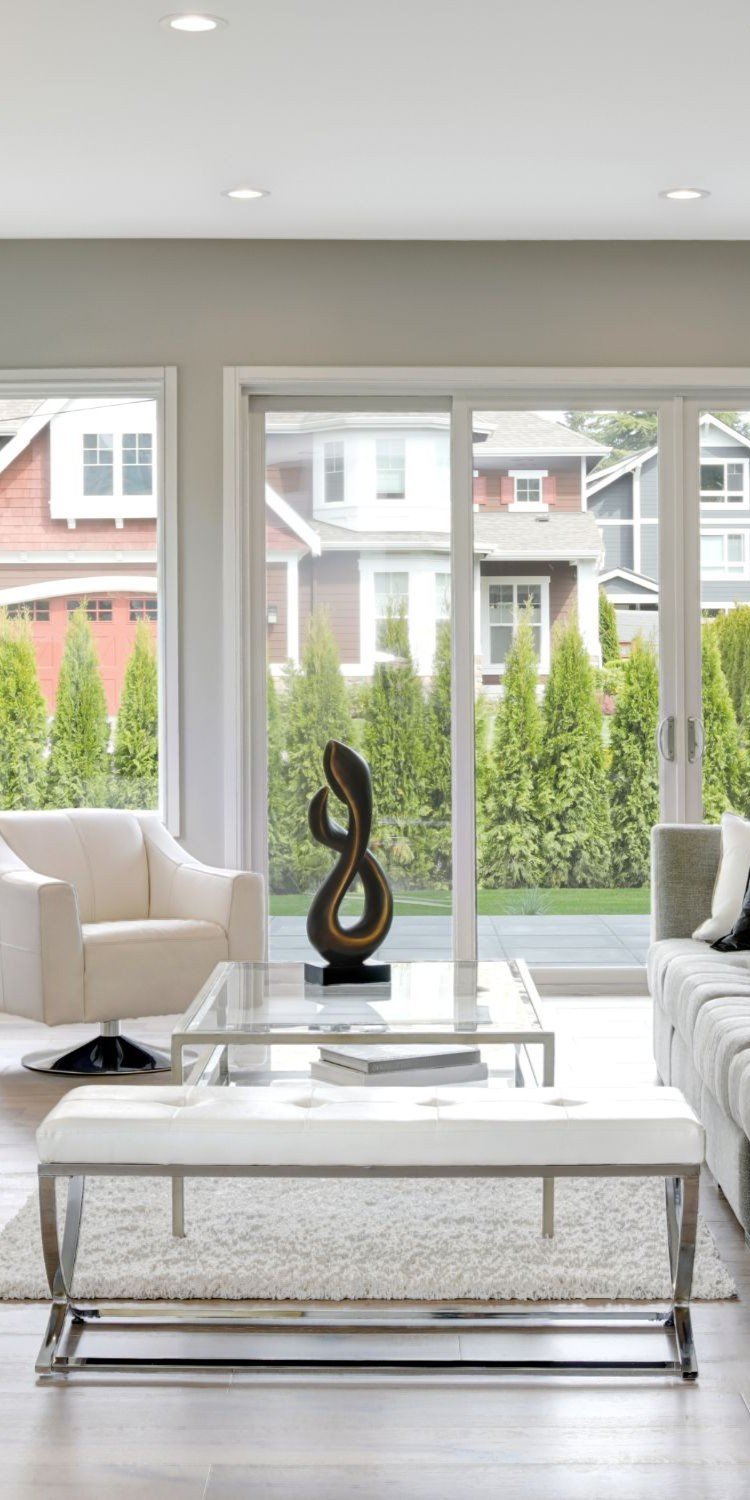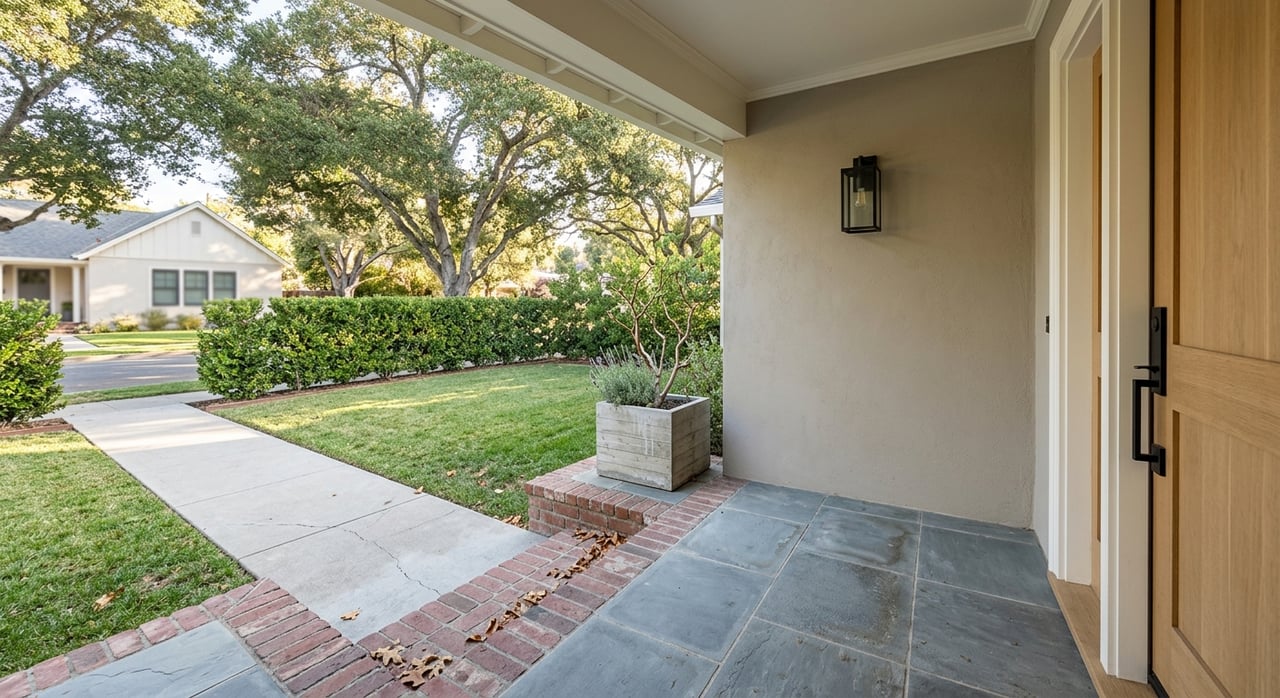
If you have been watching Peninsula home prices, you have probably noticed that Burlingame sits in a different tier. The price gap is real, and it can make even confident buyers pause. The good news is that a premium is easier to evaluate when you look past the number and focus on what daily life, housing options, and long-term fit actually look like. Let’s dive in.
Burlingame home prices are notably higher
Burlingame is a small Peninsula city of about 30,885 residents across 4.39 square miles, and its housing costs reflect that limited footprint. Census data also shows a median household income of $174,000 and a median owner-occupied home value above $2,000,000, which helps explain why the market operates at a high price point.
Recent market data shows just how strong that premium is. In March 2026, the median sale price in Burlingame was $2.775 million, with homes selling in about 14 days. The market was also rated as highly competitive, with many multiple-offer situations.
Compared with nearby cities, Burlingame is priced well above several common alternatives. It is about 68% above San Mateo, 44% above Redwood City, 27% above Millbrae, and 111% above South San Francisco. San Carlos is the closest comparison, with pricing that is essentially in the same tier.
What the premium buys you
Established housing and neighborhood character
One reason buyers pay more in Burlingame is the city’s established housing stock and built-out feel. According to the city’s housing element, 48% of homes were single-family detached in 2020, 4% were single-family attached, 7% were small multifamily, and 41% were medium or large multifamily.
This is not a market defined by large amounts of brand-new construction. The same report says 81% of housing units were built before 1980, and most recent growth has come from infill redevelopment in Downtown and North Burlingame/North Rollins Road. In practical terms, that means many buyers are paying for location, character, and updated older homes rather than for a wave of new inventory.
Supply also stays tight. The city reported 51.3% owner occupancy in 2020, a 0.0 homeowner vacancy rate, and a 4.9 rental vacancy rate. For buyers, that usually means less choice at any given moment and stronger competition when a well-prepared home hits the market.
A walkable, amenity-rich daily routine
Burlingame’s appeal is not just about the home itself. It is also about what your day can look like once you live there. The city describes Downtown Burlingame Avenue as its liveliest area, with hundreds of stores and restaurants, while Broadway offers a quieter shopping experience with smaller independent businesses.
The city also promotes a Sunday farmers market downtown and outdoor dining programs in both the downtown and Broadway districts. At the same time, Burlingame manages parking around these areas because on-street parking can be limited. That detail matters because it reflects real demand for the city’s commercial core.
City planning supports that lifestyle, too. The Downtown Specific Plan emphasizes pedestrian-oriented retail and restaurant uses at street level, along with reduced parking burdens in the core. For buyers, that helps explain why Burlingame can feel more walkable and town-centered than many nearby Peninsula communities.
Transit access adds convenience, not always a shorter commute
For many buyers, Burlingame’s location is a major part of the value equation. The city points residents to Caltrain, SamTrans, BART connections, 511 resources, and free city-wide shuttle options. The Millbrae Burlingame Commuter Route serves destinations including the Millbrae BART and Caltrain station, Mills-Peninsula Medical Center, Mercy High School, and Easton Addition.
The city also completed the Burlingame Square Transit Hub next to the Caltrain station in fall 2024. That project added bike racks, lighting, wayfinding, seating, and landscaping, which strengthens the convenience of using transit in day-to-day life.
That said, a premium purchase in Burlingame is not automatically about saving commute time. Census data shows the mean travel time to work is 30.7 minutes in Burlingame, compared with 26.1 minutes in San Mateo. So if your goal is simply the shortest average commute, Burlingame does not clearly win on that point alone.
Schools are part of the location picture
Burlingame is served by Burlingame School District and San Mateo Union High School District. The high school district serves Burlingame, Foster City, San Mateo, Hillsborough, Millbrae, and San Bruno, and Burlingame High School serves about 1,450 students.
For buyers, the key takeaway is straightforward. School district boundaries and assignment details can shape where you focus your search, so they are an important part of evaluating fit alongside commute, home type, and budget.
When Burlingame is worth the premium
For some buyers, Burlingame absolutely justifies the higher price. It tends to make the most sense if you want a compact Peninsula city with established neighborhoods, a lively downtown, useful transit connections, and housing that often blends older character with modern updates.
It may also be a strong match if your home search is about overall lifestyle, not just square footage. Buyers who value being close to shopping, dining, transit, and a walkable commercial core often see Burlingame differently than buyers who are comparing homes mainly by size and price per dollar.
The market data also supports the idea that many buyers agree with that tradeoff. Fast sales, high competition, and frequent multiple-offer situations suggest buyers are willing to pay for what Burlingame offers.
When another city may offer better value
If your top priority is getting more house for the money, Burlingame may feel hard to justify. Nearby cities offer meaningful price differences:
- San Mateo: median sale price of $1.65 million
- Redwood City: median sale price of $1.931 million
- Millbrae: median sale price of $2.18 million
- South San Francisco: median sale price of $1.3175 million
- San Carlos: median sale price of $2.75 million
Those numbers matter because they show what the same budget might buy elsewhere on the Peninsula. In broad terms, San Mateo, Redwood City, Millbrae, and South San Francisco may give you more pricing flexibility, while San Carlos is closer to Burlingame’s cost level than to the discount alternatives.
How to decide if the premium fits your goals
A smart way to evaluate Burlingame is to compare it against your real priorities instead of asking whether it is universally “worth it.” For example, ask yourself:
- Do you value a walkable downtown and nearby dining enough to pay more for it?
- Are you comfortable competing in a fast market where good homes can move quickly?
- Would you prefer established neighborhoods and older housing stock, or do you want more new construction options?
- Is your goal lifestyle and location, or maximizing house size for your budget?
If your answers lean toward location, character, and convenience, Burlingame may feel worth the premium. If your answers lean toward space and price efficiency, another nearby city may be the better fit.
In a market this competitive, clarity matters. The more honest you are about your budget, must-haves, and day-to-day priorities, the easier it becomes to tell whether Burlingame is the right long-term move for you.
If you are weighing Burlingame against other Peninsula options, working with a local team can help you compare tradeoffs with real market context. Mona & Raven Naber bring hands-on Peninsula knowledge, strong negotiation experience, and practical guidance to help you buy with confidence.
FAQs
Is Burlingame more expensive than nearby Peninsula cities?
- Yes. Recent market data shows Burlingame is priced above San Mateo, Redwood City, Millbrae, and South San Francisco, while landing close to San Carlos.
What kind of housing stock does Burlingame have?
- Burlingame has a mix of single-family and multifamily housing, with a large share of homes built before 1980 and relatively limited brand-new inventory.
Does Burlingame offer a walkable downtown lifestyle?
- Yes. The city highlights Downtown Burlingame Avenue and Broadway as active shopping and dining districts, with a farmers market, outdoor dining, and pedestrian-oriented planning in the downtown core.
Is Burlingame a good choice for transit access?
- Burlingame offers access to Caltrain, shuttle service, and regional transit connections, plus an upgraded transit hub near the Caltrain station, though average commute times are not necessarily shorter than nearby San Mateo.
How can homebuyers decide if Burlingame is worth the premium?
- The best way is to compare Burlingame’s price against your priorities for location, daily convenience, housing style, and how much space you want for your budget.