Thinking about a home on the water in Foster City? The city’s lagoons offer a calm, scenic experience that feels miles away from the rush, yet you stay close to Peninsula jobs and services. You might be weighing this lagoon lifestyle against open-bay options in nearby cities and wondering how pricing, docks, HOAs, and boating really work. This guide gives you the essentials so you can compare confidently and plan a smooth purchase. Let’s dive in.
Foster City waterfront basics
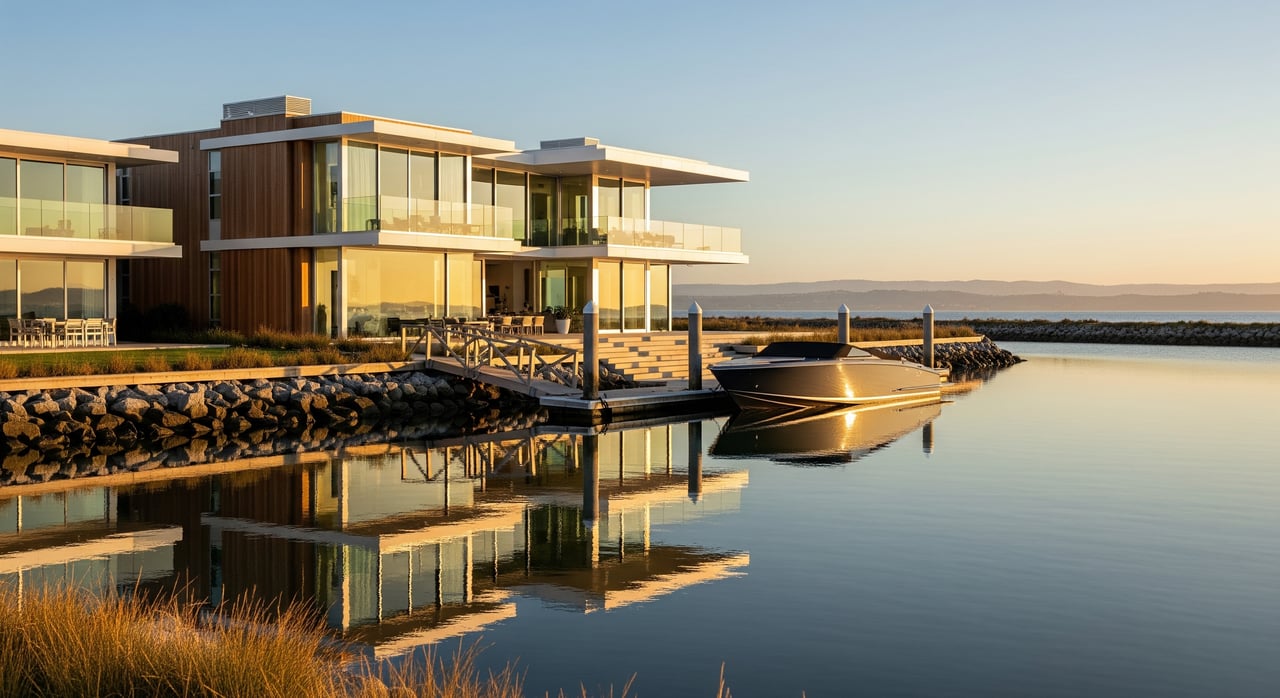
Foster City was planned around man-made lagoons starting in the 1960s, which created a distinct lagoonfront market. Most waterfront homes sit along sheltered waterways rather than the open San Francisco Bay. You will find single-family homes, townhomes, and condos on the water, many in HOA communities.
Because the water is protected, you get private access for small boats and kayaks without heavy wind exposure. Inventory is clustered by development, so listings can feel scarce and competition can concentrate when a desirable home hits the market.
How it compares to nearby markets
Compared with Burlingame, Belmont, or parts of Redwood City, Foster City’s waterfront product is more uniform and lagoon-centric. Open-bay properties in some neighboring areas often command higher premiums due to expansive vistas and deeper-water boating. If you want sheltered water access and consistent neighborhoods, Foster City fits well. If your priority is open-bay views and large-boat berthing at home, you may look to nearby bayfront pockets.
What drives pricing and premiums
Key premium drivers
- Private dock or exclusive slip rights
- Direct water access and unobstructed views
- Usable outdoor space such as large decks and steps to the water
- Condition and age, including seawall quality and marine-grade work
- HOA rules and fees where applicable
- Flood risk and insurance availability and cost
Typical premium ranges
Waterfront premiums vary widely by market and product. In many coastal and inland-bay areas, premiums can range from the low teens to several tens of percent above comparable non-waterfront homes. In Foster City, that premium differs across lagoonfront single-family homes with private docks, HOA-controlled townhomes or condos, and nearby non-waterfront homes. Because the micro-market is small, you will want current MLS comps to set expectations.
Liquidity and valuation
Scarce, well-presented lagoonfront listings can draw strong interest and premiums. Specialized features, smaller docks, or unresolved flood and permit issues can limit the buyer pool and slow sales. Expect valuations to lean on a handful of recent comps and replacement-cost logic when dock rights or shoreline structures are unique.
HOA, docks and due diligence
HOA basics and fees
Many waterfront homes and attached communities in Foster City have HOAs. Associations may handle lagoon-edge common areas, bulkheads or seawalls, landscaping, exterior maintenance, and insurance on shared structures. Dues vary from modest monthly fees to higher amounts in communities with extensive amenities or waterfront infrastructure. Request budgets, reserve studies, minutes, and any special assessments.
Dock rights and title
Dock ownership varies. You might see deeded private docks, shared docks with assigned slips under an HOA, or community docks with waiting lists. Confirm if the dock is included in the deed, whether it is permitted, and any easements that affect access or cost-sharing for seawalls. Ask for maintenance agreements tied to shoreline structures.
Permits and regulations
Work on docks, bulkheads, or shoreline structures typically needs approvals from the City and sometimes county or regional agencies. For Bay or shoreline areas, agencies such as BCDC may be involved, and in some cases the U.S. Army Corps of Engineers or regional water boards. Sellers should disclose permit history. You should verify that past repairs and the current dock are properly permitted.
Insurance and flood risk
Lagoonfront properties can have elevated flood risk from tides, storms, or heavy rain. Lenders may require flood insurance for homes in FEMA-designated flood zones. Obtain quotes from NFIP and private insurers during your contingency period, and review coverage terms, deductibles, and replacement cost limits. An elevation certificate can influence pricing, and underwriting is evolving as sea level rise projections gain attention across the Bay Area.
Boating and access in Foster City
What boats work here
The lagoons support small recreational craft such as kayaks, dinghies, and many small powerboats. Open-bay, deep-draft yachts are not typically supported from lagoon docks. Owners of larger boats often use nearby marinas.
Nearby marinas for larger boats
Mid-Peninsula and Redwood City marinas provide deeper-water berths and services for larger vessels. If you plan to keep a big boat, compare marina membership rules, guest slip policies, and how easily guests can tie up when visiting your home dock.
Dock upkeep and costs
Docks require ongoing upkeep, from decking and floats to hardware and pilings. Replacement costs can be material in long-term ownership budgets. If docks are community-owned, costs often flow through HOA dues or assessments. If private, plan for periodic inspections and set aside funds for repairs and any permitting.
Rules, speeds and navigation
Lagoon rules may include speed limits, wake restrictions, and quiet hours through city or HOA rules. The calmer water makes everyday boating simpler for many small crafts. Ask for the current rule set for your specific waterway before you buy.
Seasonality and market behavior
When listings appear
Peninsula real estate activity typically rises in spring and early summer, and lagoonfront homes follow that pattern. Inventory remains low in absolute terms, so a well-priced waterfront listing can attract multiple offers when supply is tight. Homes with major repair needs or unresolved permits may require longer market time or price adjustments.
Climate outlook and resilience
Regional planning groups and local agencies are actively studying sea level rise and shoreline resilience. Review FEMA flood maps and local guidance, ask about high-water incidents, and check for planned lagoon or shoreline projects. Insurance and lender requirements may evolve, so getting quotes and clarity early helps you avoid surprises.
Resale considerations
Waterfront living offers a distinct lifestyle and a limited supply of true lagoonfront homes. That supports steady demand among buyers who value the setting. Balance that appeal with carrying costs like HOA dues, insurance, and dock upkeep, and factor in regulatory complexity for future work on shoreline elements.
Buyer checklist
- Confirm dock or slip rights and how they transfer: deeded, HOA assignment, or community.
- Request HOA documents, reserve study, minutes, and any special assessments.
- Verify permit history and compliance for docks, bulkheads, and shoreline work.
- Pull FEMA flood map status and consider an elevation certificate if available.
- Get multiple flood and homeowner insurance quotes and compare coverage.
- Inspect docks and seawalls with a qualified marine contractor or engineer.
- Review 12 to 24 months of MLS comps for waterfront vs non-waterfront nearby.
- Ask about lagoon rules on speed, wake, and permitted engine sizes.
- Check regulations and permits before planning dock changes or expansions.
- Weigh commute, services, and neighborhood fit alongside waterfront features.
Work with local advisors who know the water
Choosing the right lagoonfront home comes down to the details: dock rights, permits, HOA strength, and true carrying costs. If you want help pricing, preparing, or positioning a waterfront purchase or sale, a team that pairs seasoned strategy with modern marketing can make the difference. For hands-on guidance across valuation, staging, and negotiation, connect with Mona & Raven Naber.
FAQs
What makes Foster City lagoonfront homes unique?
- They sit on sheltered man-made lagoons that offer calm water access for small craft, with inventory clustered by development rather than along open-bay shorelines.
How large is the typical price premium for waterfront in Foster City?
- Premiums vary and often fall from the low teens to several tens of percent versus similar non-waterfront homes, depending on docks, access, views, and recent comps.
Do most Foster City waterfront homes have HOAs?
- Many lagoonfront homes, townhomes, and condos are in HOAs that may handle shoreline areas, exterior maintenance, and insurance for shared elements.
Can I keep a large yacht at a Foster City home dock?
- Lagoon docks generally support small boats and kayaks, while larger, deep-draft vessels usually require slips at nearby marinas.
What flood insurance steps should I take before making an offer?
- Check FEMA maps, request an elevation certificate if available, and get quotes from NFIP and private insurers to understand premiums, deductibles, and coverage limits.