Torn between a hillside view home and a downtown-friendly flat in Belmont? You are not alone. Each option offers a distinct lifestyle, from sun and vistas on the slopes to walkability and easy transit access on level streets. In this guide, you will learn how lot type, microclimate, commute, permitting, maintenance, and resale factors differ so you can decide with confidence. Let’s dive in.
Belmont hills vs flats at a glance
Belmont sits between San Mateo and Redwood City, with level areas around the downtown and Ralston Avenue corridor and steeper residential slopes to the west. When locals say “flats,” they mean the lower, more walkable neighborhoods near downtown, Caltrain, and major arterials. “Hills” describes the higher-elevation neighborhoods on winding roads with varied slopes and, often, wide views.
Both areas offer great Peninsula access. Your best fit comes down to how you want to live day to day.
Lot types and architecture
Hillside lots and design
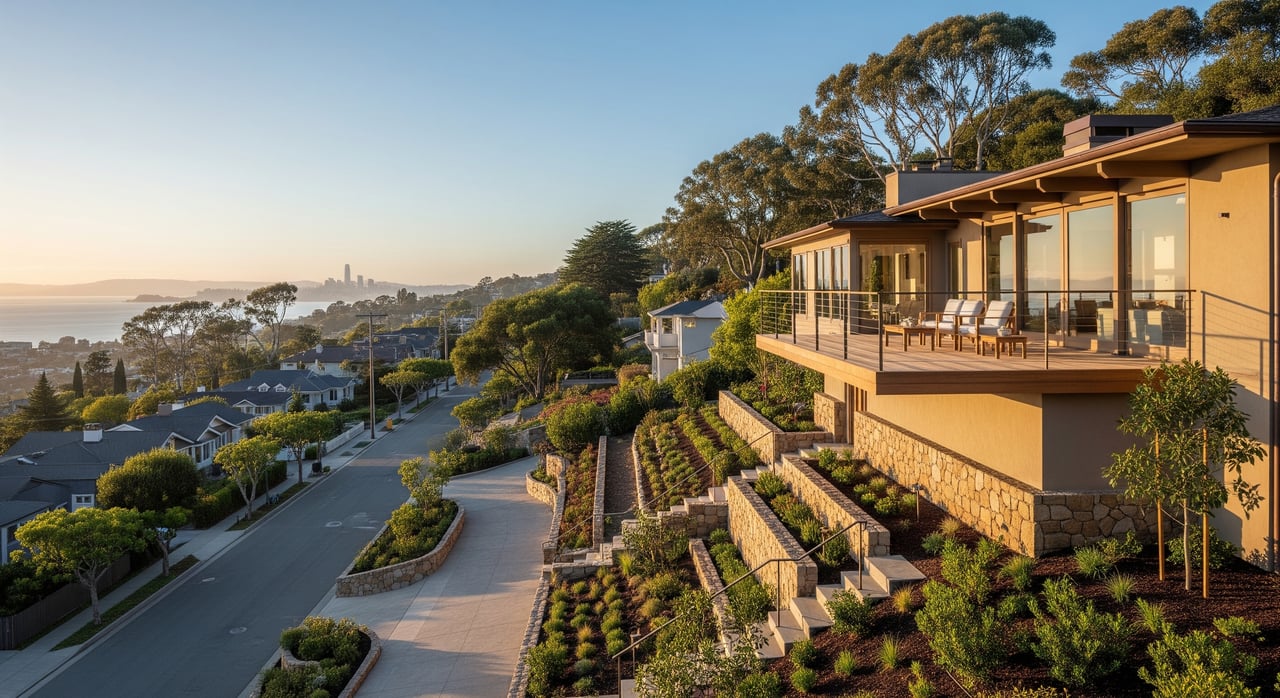
Hillside parcels are often irregular, sloped, and terraced. Usable yard can vary because steep slopes reduce the buildable footprint. Many homes use stepped foundations, pads, or stilts, and you will see retaining walls and tiered landscaping.
Architecture leans mid century ranch and modern designs adapted to slope. Expect split levels, large glass for views, and decks or cantilevered elements that frame the scenery.
Flats lots and design
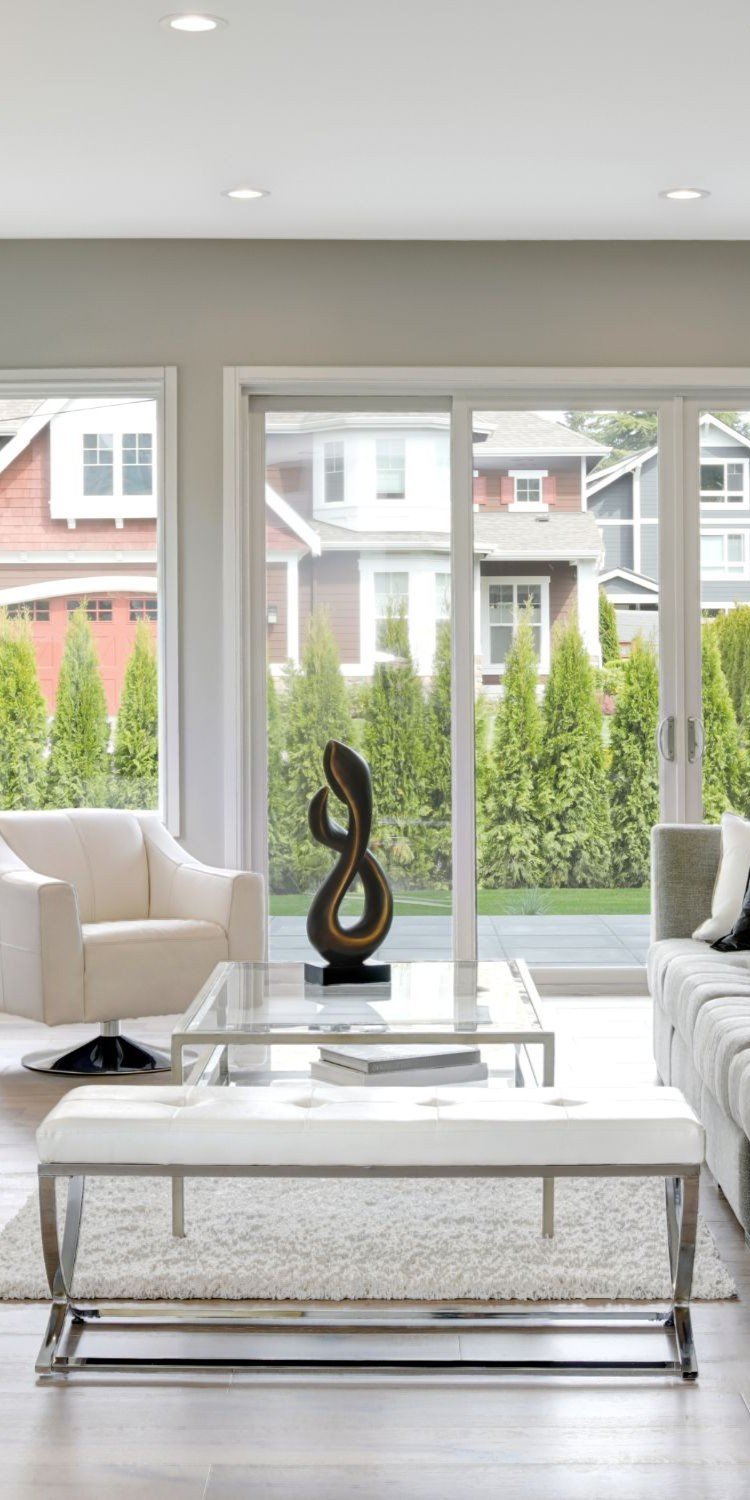
Flat areas tend to have more regular, level lots with conventional front and back yards. Garages and driveways are easier to access, and lawns or gardens are more usable without extensive grading.
Home types range from older bungalows and 1940s–1960s suburban houses to a higher concentration of townhomes and condos near the downtown and transit corridors. Mixed-use buildings line parts of Ralston Avenue.
Renovation implications
For hills, renovations often trigger geotechnical work such as soil and slope stability reports, engineered foundations, and erosion control plans. Access constraints can increase labor and haul-off costs and complicate staging materials.
For flats, projects are usually simpler from a site-engineering perspective, though older homes may still need upgrades to plumbing, electrical, or foundations typical of the Peninsula’s older housing stock.
Microclimate and outdoor living
Sun, fog, and wind patterns
Belmont has a marine-influenced climate. Lower elevations can see morning fog and low clouds. Hillside homes that rise above the marine layer often get more sun in the mornings and clearer views. They can also be windier and cooler in the evenings when breezes pick up. Orientation matters. South-facing slopes are warmer and drier, while north-facing slopes are cooler and moister.
Yard use and gardening
Hillsides often trade level lawn space for decks and terraces that maximize views. Planting choices may lean drought tolerant or native chaparral, and tree cover varies by canyon or ridge.
Flats are often cooler and foggier on summer mornings, which can favor gardens that prefer those conditions. Level yards make everyday outdoor use simpler for play, pets, and entertaining.
Vegetation, drainage, and fire awareness
On slopes, vegetation management, erosion control, and thoughtful drainage design are important to protect the site and structures. While Belmont is not the most fire-prone area on the Peninsula, parcels with brush or trees should maintain defensible space and follow local vegetation rules.
On flats, be mindful of localized drainage issues near creeks or low points. Proper grading and stormwater management matter in both settings.
Commute and daily convenience
Transit and major roads
Belmont’s Caltrain station sits in the downtown corridor, walkable from many flat neighborhoods. Caltrain runs north and south across the Peninsula with varying travel times depending on the service type and schedule.
SamTrans operates local bus routes that serve Ralston Avenue and connect to nearby cities and transit hubs. Drivers use U.S. 101, I-280, El Camino Real, and local arterials such as Ralston Avenue.
Day-to-day errands and lifestyle
Flats typically offer shorter first and last mile access to shops, restaurants, parks, municipal services, and the Caltrain station. Walking and biking are easier on level streets, which can support a more car-light lifestyle.
Hills feel quieter and more residential. You may drive a short distance for groceries, services, or schools. In trade, you often gain quick access to open space and trails.
Parking and household access
Steep driveways and stairs are common in the hills and can make unloading groceries or hosting gatherings more involved. In the flats, driveways and curb access are more straightforward.
Risk, permits, and ongoing costs
Hillside projects and permits
Work on slopes often requires geotechnical studies, engineered plans, and erosion and stormwater controls. Larger remodels or additions on hillsides typically undergo slope and stability review.
Before you plan a project, confirm permitting steps with the City and ask sellers for any past permits or variances related to slope work or foundations.
Flats and flood awareness
Lower parcels near creeks or the Bay may fall within mapped flood zones. Review floodplain maps and local drainage information when evaluating a property. Verify water and sewer connections with the City and water district on a parcel-by-parcel basis.
Maintenance and insurance
Hillsides can come with higher ongoing costs for retaining walls, drainage systems, tree management, and slope access. Roads and driveways on slope may need more frequent maintenance. Insurance requirements can reflect slope or stability risk.
Flats usually have fewer site-specific maintenance items, but many older homes still benefit from foundation, plumbing, or wiring updates.
Resale and long-term strategy
View premium vs walkability
Hillside homes with dependable views and privacy often command a premium. Marketability depends on access, usable yard, and road conditions. Very steep lots with limited yard can narrow the buyer pool.
Flats near downtown and Caltrain attract buyers who value transit access and walkability. Proximity to shops and services can improve liquidity and broaden appeal.
Match the home to your lifestyle
If you love quiet mornings and wide views, the hills may fit you well. If you prioritize errand efficiency, school drop-offs, and an active, walkable daily rhythm, the flats can be a strong match. Both paths can be smart investments when the property aligns with your needs.
How to choose: a quick checklist
- Lifestyle priorities: Do you value walk-to-downtown convenience or views and privacy?
- Mobility and access: Are stairs and steep driveways acceptable? Do you need single-level living?
- Yard use: Do you want level lawn space or decks and terraces for entertaining and views?
- Commute patterns: Is quick access to Caltrain essential, or do you mainly drive to 101 or I-280?
- Renovation tolerance: Are you comfortable with geotechnical and engineered work, or do you prefer simpler remodels?
- Risk tolerance: Would you rather manage slope and drainage, or evaluate potential flood risk on lower parcels?
- Resale goals: Do you favor a view premium or the broader market appeal of walkability and transit access?
What to do next
Tour examples in both areas on the same day to compare light, wind, access, and noise at similar times. For hillside homes, review any existing geotechnical reports, retaining wall conditions, and drainage plans. For flats, ask about past drainage improvements and any history of localized flooding.
Confirm utilities, permits, and past renovation history, and review district information for schools without making assumptions about quality. If you plan a remodel, align your budget with the site conditions and likely permitting steps.
If you want a local, hands-on team to help you weigh tradeoffs, estimate preparation work, and shape a smart offer, reach out to Mona & Raven Naber. Get your instant property valuation, discuss staging or renovation options, and compare neighborhoods in a calm, clear way.
FAQs
Do Belmont hillside homes get more sun?
- Often yes. Homes above the morning marine layer can receive more sun and clearer views, but exposure depends on slope orientation and local tree cover.
Are Belmont hillside properties harder to insure or finance?
- Not automatically. Lenders and insurers may request geotechnical and engineering documentation for higher-slope sites. Check requirements with your lender and insurance agent.
Will living in the hills increase my commute time in Belmont?
- It can. Hills add first and last mile time for walking, parking, and uphill driving. Flats near the Caltrain station typically minimize time to transit.
Are there special permits for remodeling on Belmont hillsides?
- Yes. Many hillside projects require geotechnical studies, engineered designs, and erosion and stormwater controls. Larger additions often undergo slope and stability review.
Could a flat Belmont home be in a flood zone?
- Possibly. Lower parcels near creeks or the Bay may be within mapped floodplains. Review flood maps and local drainage data during due diligence.
What are common inspections for Belmont hills vs flats?
- Hills: geotechnical or stability reports, foundation and retaining wall review, and drainage evaluation. Flats: check under-slab or basement conditions, tree root impacts, and any local drainage or flood history.